Site planning
Choosing a brick-slip adhesive for humid tropical sites
A covered arcade, a splash-prone entrance and an air-conditioned dining room can share one elevation. Mark the moisture exposure of each bay before asking for an adhesive recommendation.
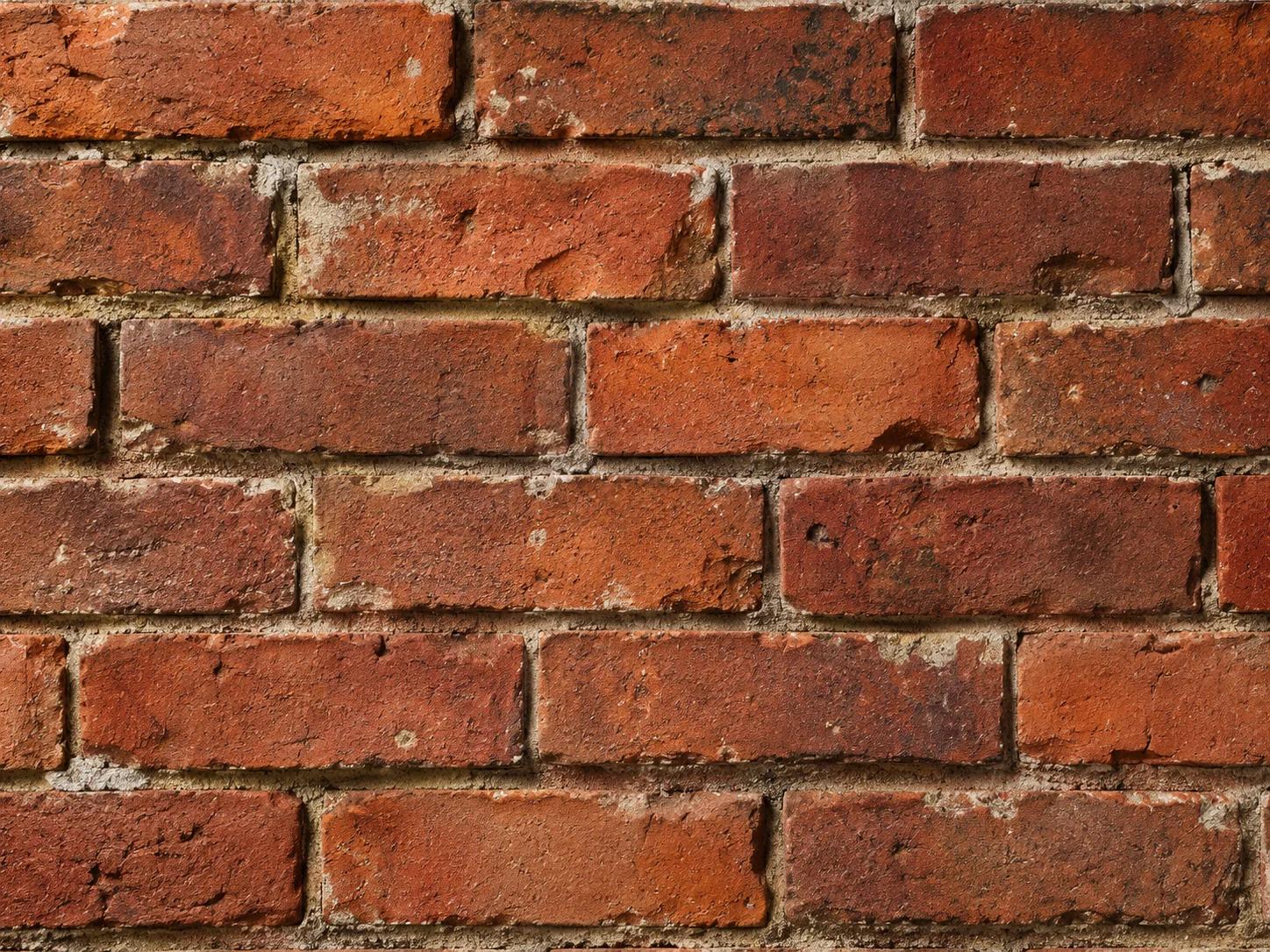
Find the water path
Inspect the wall after rain and again after air conditioning has run. Record leaks, condensation and salts separately. Resolve the source of persistent damp before fixing a trial panel. A new finish makes the substrate harder to inspect.
Give the adhesive supplier the actual assembly
Send substrate, waterproofing product, slip thickness, batch absorption and exposure. Ask for written compatibility, permitted application temperatures, open time, coverage checks and cure time before rain or washing. Set work areas small enough to stay within the open time on that wall.
Run a witness panel through cleaning
Use slips from the ordered lot and include a joint and an edge. Record start time, surface temperature and when a test slip is lifted for contact inspection. Once cured as directed, try the proposed pointing and cleaner, then inspect the dry face for staining before sign-off.
| Clay thickness range | 18–22 mm |
|---|---|
| Exterior flat candidate | YC-H01 · 240 × 55 mm |
| Indoor mesh candidate | YC-M02 · 240 × 55 mm |
Recommended products
Related markets
Buyer questions
Can sealer solve damp behind the brick?
Trace the source and agree drainage or waterproofing repairs first. Trial any face treatment on spare pieces for colour and vapour behaviour.
What absorption figure goes in the adhesive enquiry?
Request the test report for the reserved salvage lot. Send that value and the site exposure to the system supplier.