0
No second firing
New clay and ceramic products can be fired at 1,100°C or higher. Salvaged brick has already been fired. Sawing it into slips eliminates fuel burned for a new kiln cycle. Cutting and packing still use energy.
Sustainability & Circular Craftsmanship
Look closely at a slip and you can still see the face of the old wall. We cut the fired brick along its depth to keep its worn edges, lime marks and original colour.
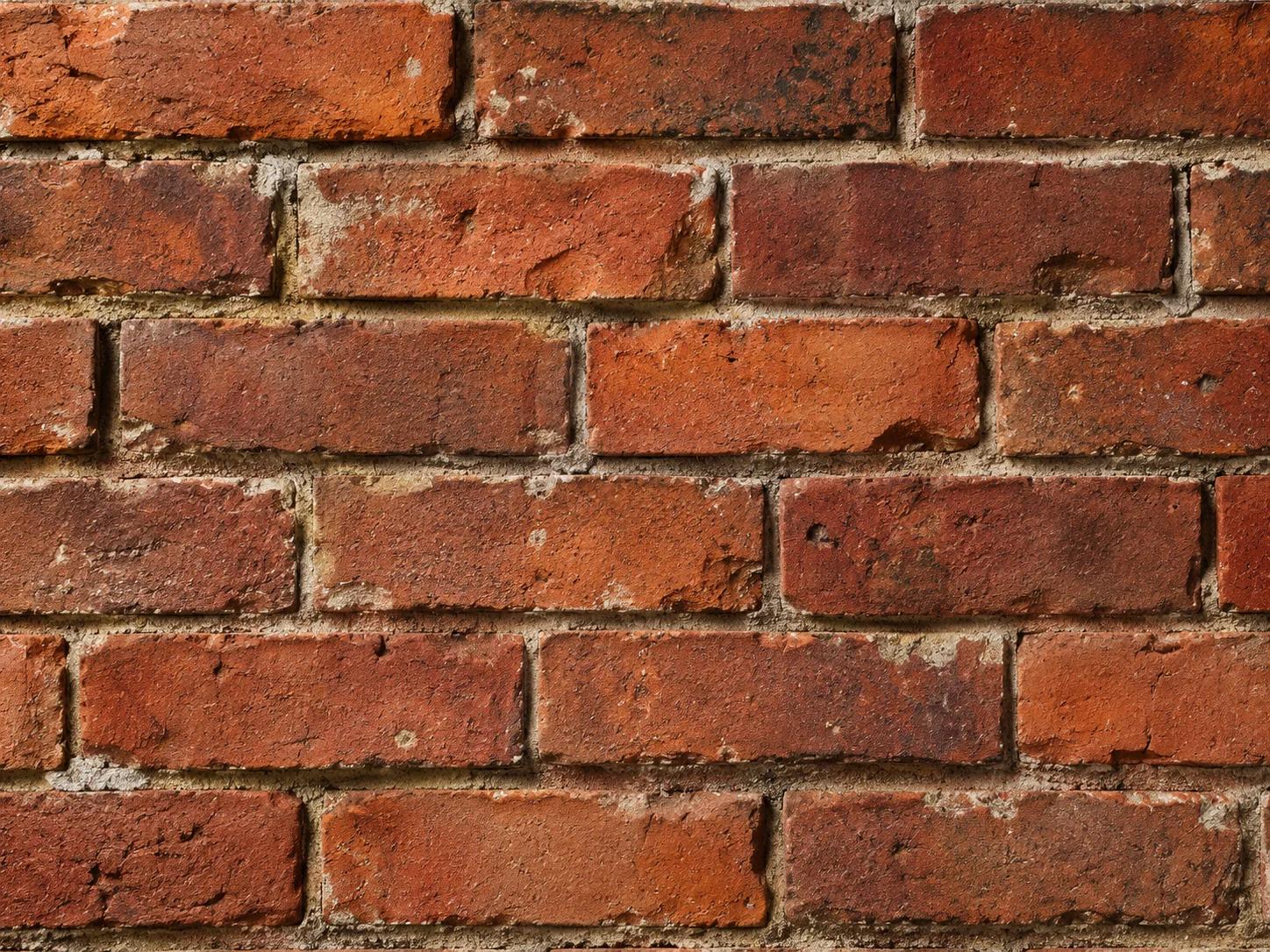
New clay and ceramic products can be fired at 1,100°C or higher. Salvaged brick has already been fired. Sawing it into slips eliminates fuel burned for a new kiln cycle. Cutting and packing still use energy.
When an old building comes down, sound bricks can be sorted out of the rubble. Each recovered face keeps masonry out of landfill and supplies cladding without excavating virgin clay.
One sound brick typically yields 2–3 slips. We estimate that a standard 20-foot container can carry about 3–4 times the wall coverage of solid bricks. Usable payload, thickness and pallet weight determine the actual area.
For LEED, Green Star (Australia), BCA Green Mark (Singapore) or CASBEE (Japan), ask for a batch declaration of origin and reclaimed content. The project assessor decides how reuse counts under the applicable scheme and version.
| Material attribute | Old Kiln reclaimed clay slips | Newly fired clay or ceramic thin brick | Concrete faux cultured stone |
|---|---|---|---|
| Raw material | Fired bricks recovered from demolition. | Usually newly extracted clay or mineral blends. | Cement, aggregate and water cast in moulds. |
| Kiln energy | No additional kiln cycle. | A new high-temperature firing cycle. | The unit cures in a mould. Cement clinker production requires a kiln. |
| Pigments & resins | The clay face retains its original colour. Specify mesh and adhesives separately. | Colour comes from the body, firing or added stains and glazes. | Pigments often create the stone colour. Resin or sealer varies by mix. |
| Weight & freight | 16–18 kg per 0.5 m² carton of flat slips. | Thin formats also pack efficiently. Compare packed kg/m². | Relief depth and aggregate density affect packed weight. |
| Service life & patina | Already weathered. Future service depends on exposure and fixing. | A fresh face ages from installation. Finish and detailing affect wear. | Cast texture weathers with exposure. Colour retention depends on finish and care. |
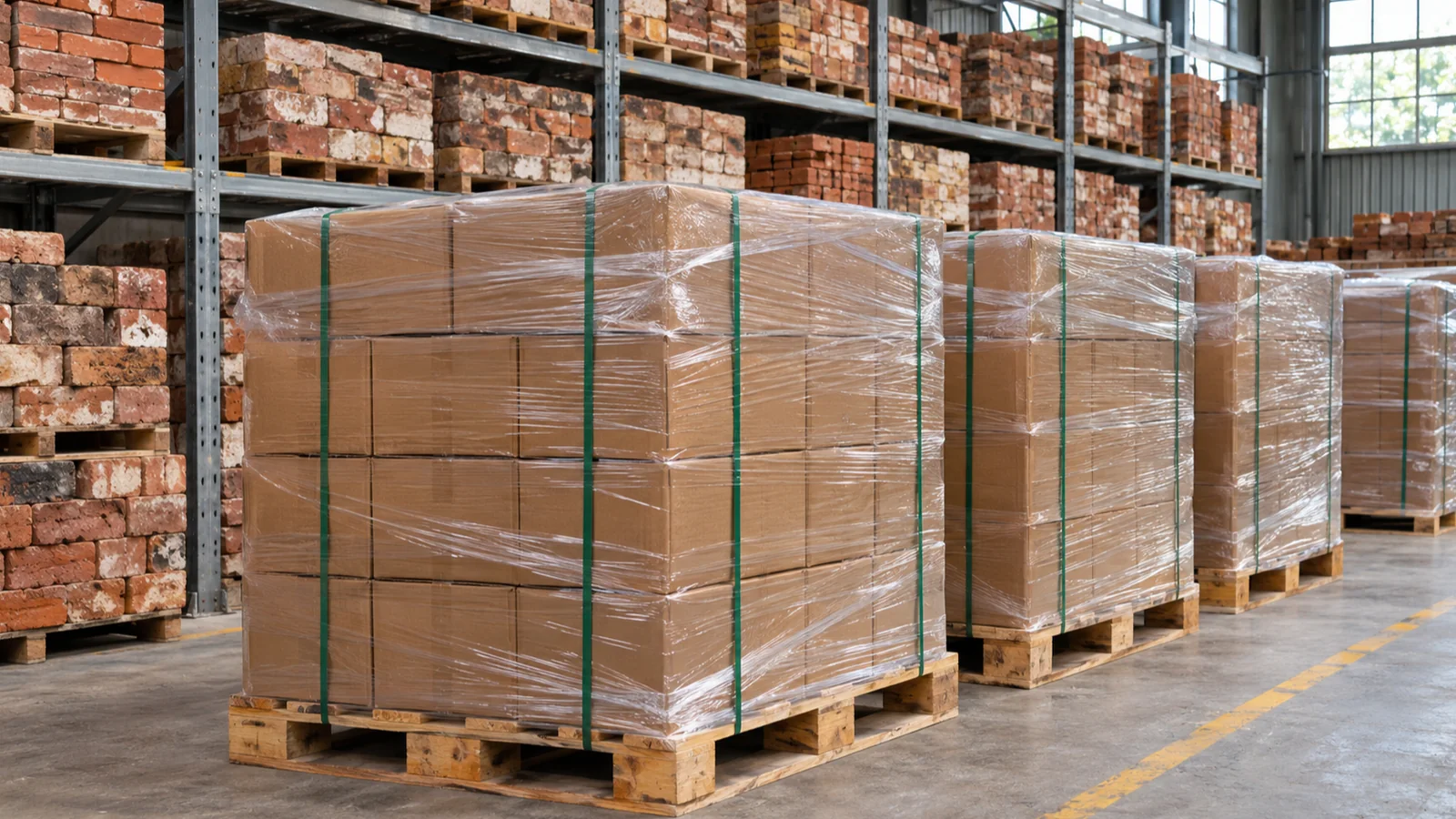
Sort sound bricks by colour and condition. Set aside faces with weathered edges or traces of lime for the outer-skin cut.
Water cools the diamond blade and catches dust at the cut. Cutting water is collected for recirculation. The slips are washed, dried and graded by face.
A café counter, a hotel entrance or a living-room wall can carry the original brick face into its next century. Match the fixing system to the substrate and exposure.
All the clay in the slip comes from an existing fired brick. Mesh, adhesives, mortar and packaging are separate materials. Record them separately in an assembly declaration.
It removes the fuel demand for a second firing. To quantify a project saving, compare equivalent installed wall areas and include recovery, cutting electricity, packing, transport and installation. A verified carbon figure needs a lifecycle assessment.
Use it for an initial comparison with full solid bricks. For a booking, confirm carton counts, gross pallet weights and the route’s payload limit. Freight emissions also depend on the vessel, distance and inland legs.
Share the project’s rating system, version and material schedule. Ask for the batch source, reclaimed proportion and quantity supplied. The assessor determines whether the material qualifies and awards any project credits.