Asia-Pacific Markets · Taiwan
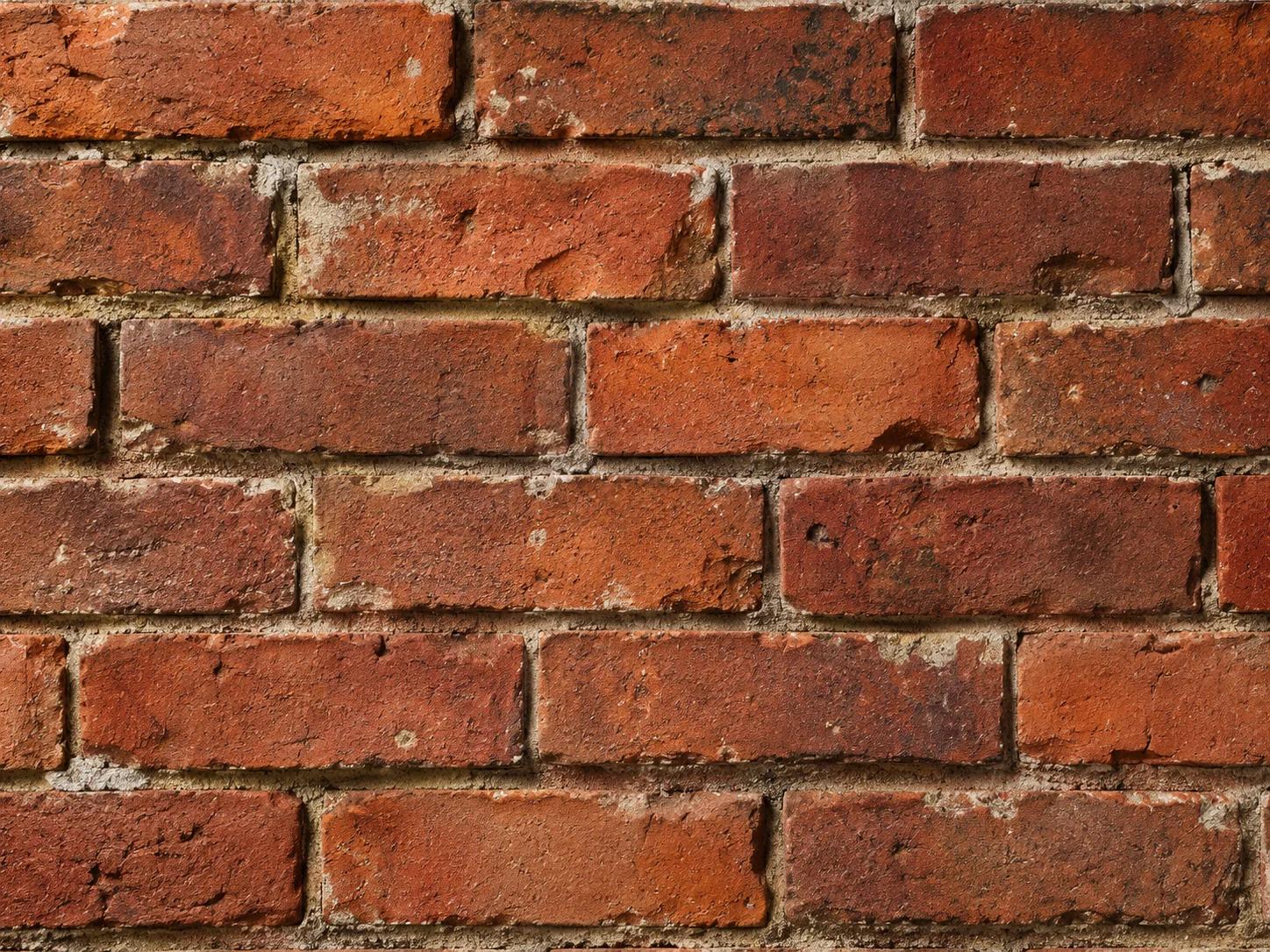
老磚切片 for Taiwan cafés, homes and shop renovations
Taiwan buyers comparing 文化磚 vs 真老磚切片 are usually deciding between a manufactured look and the irregular face of genuine reclaimed brick. For a Taipei café, Taichung shop or Kaohsiung home renovation, budget the material in both ㎡ and 坪, confirm mainland-origin import eligibility and choose Keelung, Taichung or Kaohsiung routing from the actual site address.
Port and transit
Keelung, Taichung or Kaohsiung · select by project city and inland delivery
Short-sea LCL and sea-express routings can serve Taiwan, but warehouse cut-off, export release, vessel or express sailing, Taiwan customs inspection and inland delivery each control the programme. Ask for five dates before committing installers.
Standard bulk orders start at 50 m². Selected Asia-Pacific routes accept LCL orders from 30 m², subject to batch and sailing confirmation.
Import duties and documents
Before booking, have a Taiwan broker verify the CCC code, mainland-origin import eligibility, duty, business tax and any document requirement for reclaimed clay brick slips. Do not assume eligibility from a generic brick veneer description; use the accurate material, origin and use description.
Local costs and installation
For 30 m² of ordered flats allow 60 cartons and plan two export pallets. Convert the wall budget between ㎡ and 坪 using 1 坪 ≈ 3.3 m², then add cutting waste, corner returns, port handling, inland transport and any stair carry.
On older concrete, block or rendered walls, inspect hollow plaster, moisture and salts before fixing. Thin reclaimed slips reduce depth, but the wall designer still needs the complete installed load and a compatible adhesive system for the actual substrate and exposure.
Use Taiwan terminology without blurring the material
老磚切片 and 手工舊紅磚 both point buyers toward genuine aged brick, while 文化磚 can mean manufactured veneer, concrete brick or a broad decorative category. Put 真老磚切片, the SKU and the format in the same specification line. This prevents a price comparison between reclaimed clay and a moulded product from being treated as like-for-like. Where corners are visible, specify matching L-shaped returns rather than relying on site mitres.
Budget in both ㎡ and 坪
Design conversations in Taiwan often move between square metres and 坪. Use 1 坪 ≈ 3.3 m² as a practical conversion, so a 30 m² material order is about 9.1 坪 before waste. Keep the measured net wall, cutting allowance and corner length separate. A 50 m² order is about 15.2 坪, while 80 m² is about 24.2 坪. Rounding should happen only after the elevation and waste allowance are agreed.
Choose Keelung, Taichung or Kaohsiung from the final address
Keelung can suit Taipei and northern projects, Taichung can reduce inland distance for central Taiwan, and Kaohsiung can suit the south. The cheapest ocean line is not always the cheapest landed route once warehouse release, customs inspection and trucking are included. Ask the forwarder to compare the complete routing to the site postcode and to state whether sea-express service includes destination handling or only carriage to port.
Confirm import eligibility before the deposit
Taiwan import treatment for mainland-origin building materials can depend on the exact CCC classification and product description. Send the broker the invoice wording, material composition, reclaimed nature, intended use, photos and origin statement before payment. Ask for written confirmation of eligibility, duty, business tax and document requirements. If the broker requires a different description or additional evidence, correct it before the consolidation warehouse closes the shipment.
Prepare the wall and the approval panel together
Many renovation walls have old paint, hollow render or moisture staining. Scrape or tap-test suspect areas, trace damp and agree repairs before the adhesive trial. Approve light, middle and dark pieces under the project lighting, then test a 12 mm joint for standard slips or a 15 mm joint for larger-format pieces where specified. A labelled sample panel gives the installer and importer one common reference when cartons are unpacked.
30 m² LCL indicative budget breakdown
| Material FOB estimate | Loose reclaimed red or grey brick slips: about US$420–720 for 30 m² at the indicative FOB China range of US$14–24/m². Mesh-mounted sheets: about US$660–1,020 for 30 m² at US$22–34/m². L-shaped corner returns are budgeted separately at US$18–28 per linear metre. Indicative FOB China — for project budgeting; confirm the batch quote. |
|---|---|
| Export cartons and palletising | A 30 m² flat-slip order starts at 60 half-square-metre cartons. Plan two export pallets at the 48-carton pallet planning allowance, with carton weight around 960–1,080 kg before pallet timber, corner cartons, straps and protective packing. Export cartons are palletised on ISPM-15 treated timber. |
| Indicative short-sea LCL freight | Indicative short-sea LCL or sea-express budgeting range to Keelung, Taichung or Kaohsiung: US$280–540 for the line-haul/consolidation portion of a compact two-pallet shipment, excluding Taiwan customs, taxes, warehouse release, inspection, inland delivery and unloading. |
| Origin certificate and customs note | Taiwan eligibility and duty treatment must be confirmed under the exact CCC classification. Keep origin, invoice, packing list and material descriptions consistent; do not assume RCEP or another preference applies without broker confirmation. |
Budget rows are indicative, not a fixed quotation. Freight validity, inspection outcomes, pallet dimensions and inland access can change the final landed cost.
Project reference specification
Typical commercial reference configuration based on authorized Youchang installation photographs. It is not a client-named case study or a guarantee of the result on another substrate.
- Recommended space type
- Café banquette, retail counter front or long hospitality feature wall
- Flat + corner SKU pairing
- YC-H01 Old Town Red flats with YC-C01 Heritage Red Corner returns at exposed ends
- Mortar joint width
- 12 mm reference mortar joint · approximately 70 standard slips per m² for preliminary coverage planning
- 30 m² reference quantity
- 60 flat cartons · 2 export pallets · approximately 960–1,080 kg carton weight before pallet tare
- 50 m² reference quantity
- 100 flat cartons · 3 export pallets · approximately 1,600–1,800 kg carton weight before pallet tare
- 80 m² reference quantity
- 160 flat cartons · 4 export pallets · approximately 2,560–2,880 kg carton weight before pallet tare
- Factory cutting tolerance
- Factory cutting tolerance ±3 mm; confirm final dimensions against the reserved batch
- Production readiness
- Standard production readiness is 3–7 days after sample and batch approval
Recommended products
Related buyer guides
Buyer questions
What is the practical difference between 文化磚 and 真老磚切片?
文化磚 is a broad decorative category and may be manufactured. 真老磚切片 is cut from reclaimed clay brick, so the edge, colour range and corner detail should be approved as a batch.
How do I convert a 坪 budget to cartons?
Multiply 坪 by about 3.3 to obtain m², then add cutting waste. Thirty m² before waste is 60 half-square-metre cartons; corners are measured separately in linear metres.
Which port should I write on the enquiry?
Give the city and full delivery address. Compare Keelung for the north, Taichung for central Taiwan and Kaohsiung for the south using the complete landed route.
Can every reclaimed brick order be imported into Taiwan?
Confirm before deposit. The broker must check the CCC code, mainland-origin eligibility, duty, tax and documents for the precise description.
Is sea express always faster door to door?
Not necessarily. Ask whether the quoted service includes warehouse release, customs inspection handling and final delivery, then compare all five dates with ordinary LCL.